Balanced Diet During Ramadan
Introduction
Ramadan is a highly significant month in the Muslim calendar. During this holy month, Muslims fast from sunrise to sunset and abstain from food and drink. Ramadan is more than just giving up food and liquids, though. In addition, people are asked to strengthen their bonds with one another, practice patience, and further their spiritual and religious development.
For the majority of us, we observe Ramadan while carrying on with our regular routines. We go to work, we study, and we clean the house, but we usually use laziness as an excuse to avoid physical activity. Furthermore, we feel justified in indulging in our favorite treats after a day of hunger and thirst. Because there are so many “buka puasa” feasts, bazaars selling a wide range of treats, and special Ramadan meals throughout this month, it is very simple to overindulge.
It’s important to keep up your physical and mental well-being throughout Ramadan. We get the energy we need to go about our daily lives, focus at work, and participate in special Ramadan activities like tarawih or Qiyamullail prayers when we maintain an active lifestyle and eat healthily. But this doesn’t mean you have to burn a thousand calories a day or engage in intense exercise. It’s important to strike a balance between keeping up your current level of health and fitness and following Ramadan. We’ve got some ideas to get you moving throughout the month-long fast.
The importance of eating a balanced diet
During Ramadan, it’s imperative to eat a balanced meal that provides your body with all the nutrition it needs. A balanced diet helps prevent deficiencies, stabilize energy levels, and improve overall health. This is particularly important during a fast since your body turns to its own stored nutrients for energy.
- Drink plenty of water during Iftar and Suhoor. Aim for eight glasses or more each day. Avoid caffeine and sugar-filled beverages as they may dehydrate you. Include items high in water content in your meals, such as soups, watermelon, and cucumbers.
- Eat less spicy and salty meals because it can increase your thirst. Throughout Ramadan, staying hydrated and eating a balanced diet are essential to maintaining excellent health and fitness. By following these meal choices and guidance, you may ensure that your body receives the food it needs to thrive throughout this holy month. Remember that Ramadan is a time for reflection and spiritual renewal, and part of that involves taking care of your health.
Workout and Rest
Ramadan is a time of fasting, prayer, and reflection for Muslims all over the world. Even though it can be physically exhausting to fast during Ramadan, it’s important to maintain an active lifestyle and a regular sleep schedule. Let’s examine some effective and safe workout plans for the duration of Ramadan as well as some recommendations for improving your sleep during this holy month.
Physical Fitness Throughout Ramadan
- Moderate Exercises: Engage in mild physical activities such as yoga, stretching, or walking. By doing these exercises, you can maintain the tone and flexibility of your muscles without putting too much strain on your body.
- Plan your activity during a time when you won’t be fasting, such as in the early morning or immediately following Iftar. By doing this, you’ll be able to keep up your energy levels and refrain from exercising during your fast.
- Intensity: Avoid rigorous workout plans that can lead to exhaustion or dehydration. Instead, focus on low- to moderate-intensity exercises that increase your heart rate without overtaxing your body.
- During Exercise, Pay Attention to Your Body: Pay attention to how your body feels. If you become faint, dizzy, or lightheaded, stop immediately and obtain some rest.
Throughout Ramadan, get plenty of rest.
- Maintain a routine: Aim to go to bed and wake up at the same time every day in an attempt to maintain a normal sleep routine. This can help your body’s internal clock to balance out, which will improve the quality of your sleep.
- Avoid eating huge meals right before bed. Eating substantial meals just before bed can disrupt your sleep. Instead, opt for light, healthful meals that won’t cause you any discomfort.
- Create a Calm and Comfortable Space: Keeping your bedroom cool, quiet, and dark will improve your quality of sleep. If you are sensitive to light or noise, consider using earplugs or an eye mask.
- Minimize Screen Time: Avoid using these devices immediately before bed because the blue light they produce may interfere with your body’s natural sleep-wake cycle. Tablets and smartphones are included in this.
- Maintaining good health throughout Ramadan requires both getting enough sleep and exercising. By scheduling quick workouts and prioritizing proper sleep hygiene, you can stay in shape and get adequate sleep all month long. Always be aware of your body and make any necessary adjustments for a meaningful and healthful Ramadan.
Techniques for Managing Stress and Anxiety:
Meditation and Prayer Regularly engage in meditation and prayer to help reduce stress and calm the mind. Make time each day to reflect and deepen your spiritual connection.
- Good Coping Strategies: Create healthy coping strategies for stress, such as engaging in physical activity, hobbies, or spending time with loved ones.
- Keep a Schedule: Try to maintain a routine for your meals, sleep schedule, and daily activities during Ramadan. A regular schedule can help reduce stress and anxiety.
- Keep in touch: Even if it’s just digitally, try to stay in touch with your loved ones. Social support is necessary to maintain mental wellness.
- Seek Professional Help: If you’re feeling a lot of stress or anxiety, you should consider seeking professional help for mental health issues. They can provide you with the guidance and support you need.
The Importance of Supplements
- Minerals and vitamins: Sometimes, fasting throughout Ramadan might lead to food shortages. By taking a multivitamin each day, you may ensure that your body is receiving all the essential elements it needs.
- Omega-3 Fatty Acids: Research has indicated that these fats enhance brain health. If you’re not getting enough omega-3s from your diet, consider adding foods like walnuts, flaxseeds, and fish, or consider taking a supplement.
- Probiotics: By promoting gut health, probiotics have been linked to mood regulation. If fermented foods such as yogurt and sauerkraut aren’t something you already eat, consider taking a probiotic supplement.
- Consult a Medical Specialist Before starting any new supplement regimen, it’s important to see a healthcare provider to be sure it’s safe and appropriate for you.
For one to have a joyful and spiritually enlightening Ramadan, mental health must be prioritized. By implementing these techniques and considering the role of supplements, you may help manage stress, anxiety, and other mental health difficulties throughout this holy month. Remember that seeking help when you need it is normal and that receiving therapy for your mental health is a sign of strength.
When life gets a bit hectic or you’re simply not feeling up to braving the Dubai traffic, it’s reassuring to know that Doctor On Call services are just a click away. At Grace Housecall Doctor, we pride ourselves on bringing compassionate, professional care directly to your doorstep. Whether you’re at home, at work, or even staying at a luxury hotel, our Doctor at Home and Doctor at Hotel options ensure you never have to compromise on your health or convenience. There’s something uniquely comforting about having a House Call Doctor arrive with a warm smile, ready to listen and help—no waiting rooms, no unnecessary stress.
We know that everyone’s needs are different, and that’s why our team of experienced professionals is available as your On Call Doctor whenever you need them. Maybe it’s a sudden fever in the middle of the night, or perhaps you just want peace of mind for a visiting family member—whatever the reason, you can Call Doctor and expect prompt, attentive service. In our connected world, convenience matters more than ever. Sometimes, all you need is quick medical advice or a follow-up consultation without the hassle of travel. That’s where our Doctor Online service steps in, offering secure, confidential consultations from the comfort of your own home.
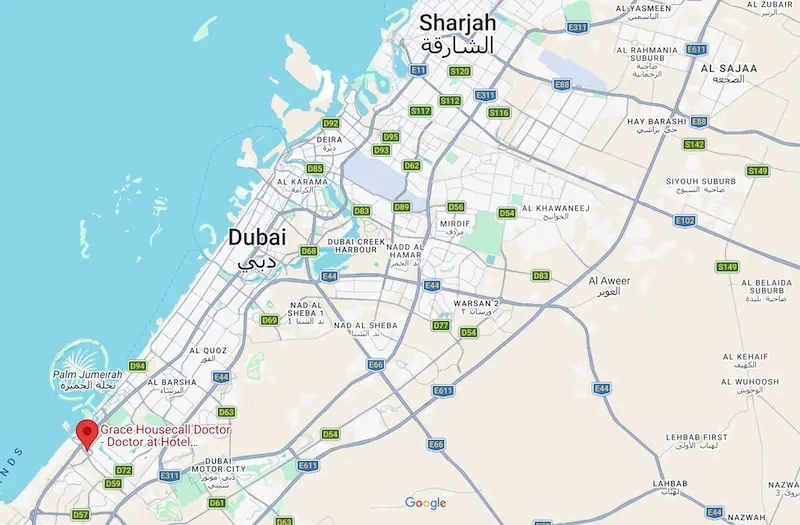
Of course, there are times when you just need to find help fast. If you’re searching for a Doctor Near Me, rest assured that Grace Housecall Doctor covers all neighborhoods across Dubai, bringing quality healthcare to your community. We believe that medical care should be as personal and convenient as possible. That’s why our services are tailored to fit your lifestyle, whether you’re a busy professional, a parent with a sick child, or a traveler in need of reassurance.
What makes us different isn’t just our medical expertise—it’s our genuine commitment to your comfort and wellbeing. Our goal is to make each visit feel less like an appointment and more like a trusted friend dropping by to help. So, next time you’re feeling under the weather, or simply want the peace of mind that comes with having a doctor just a call away, remember that Grace Housecall Doctor is always ready to serve you. Your health, your way—without compromise.